Login
Login
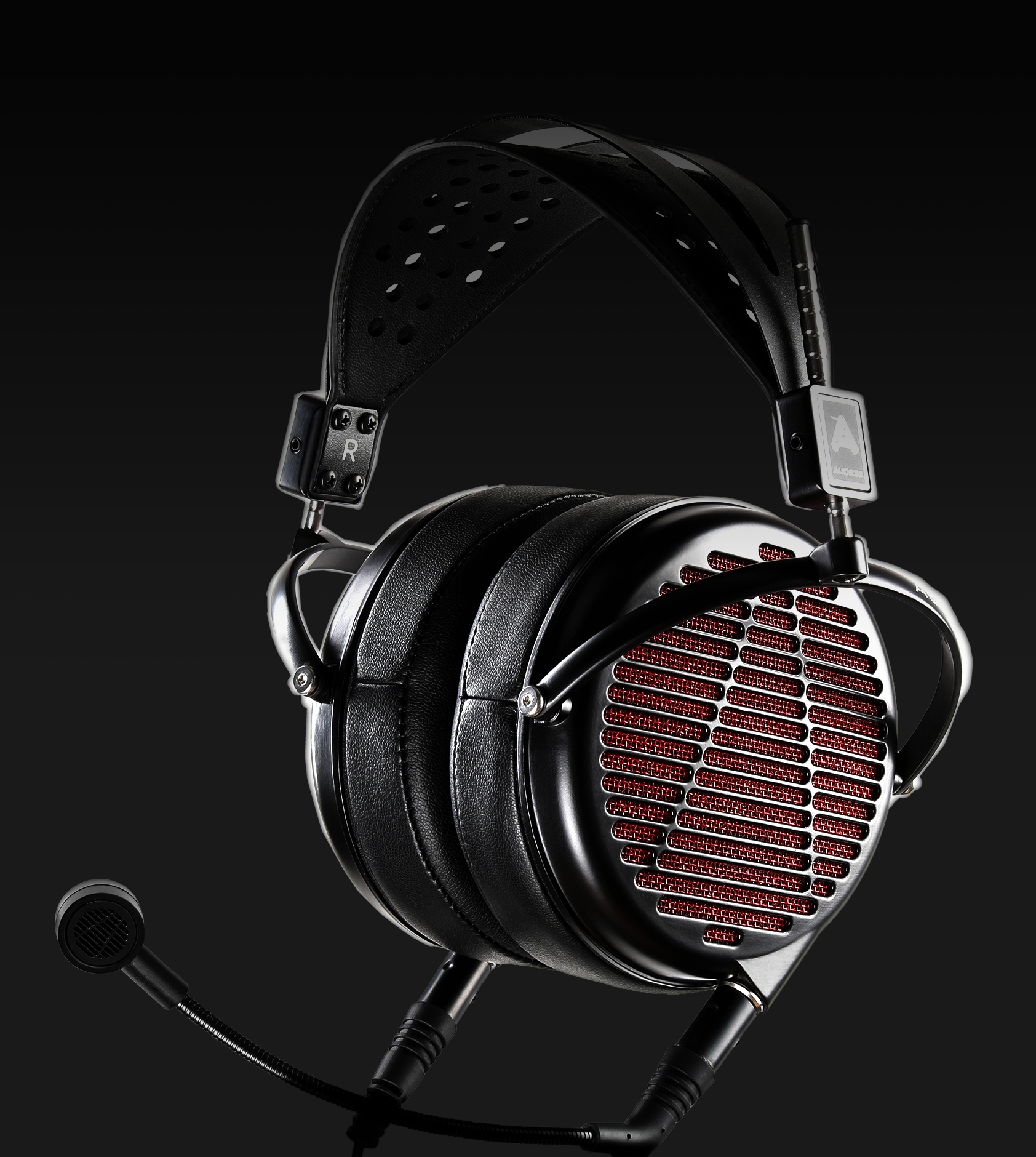


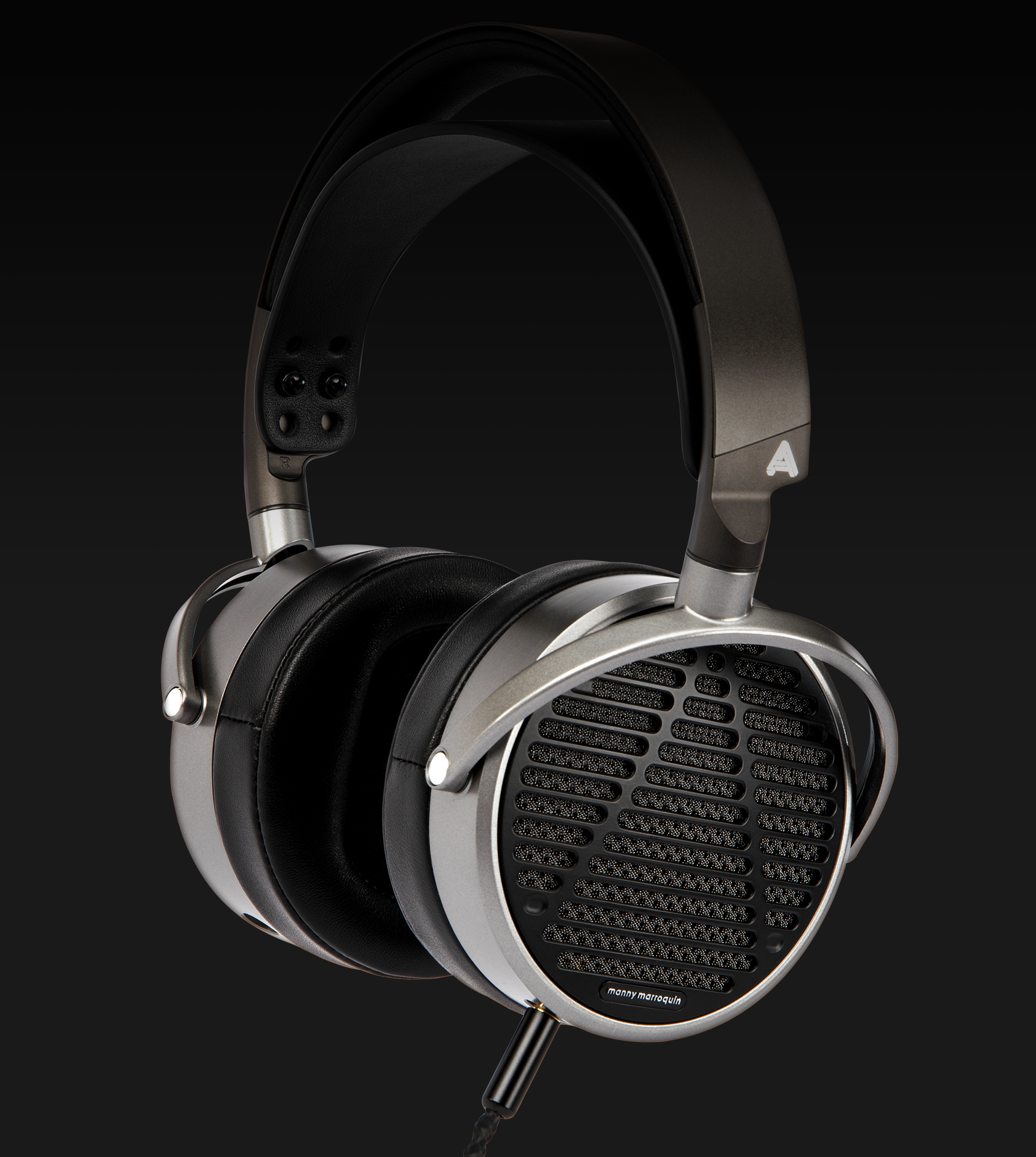


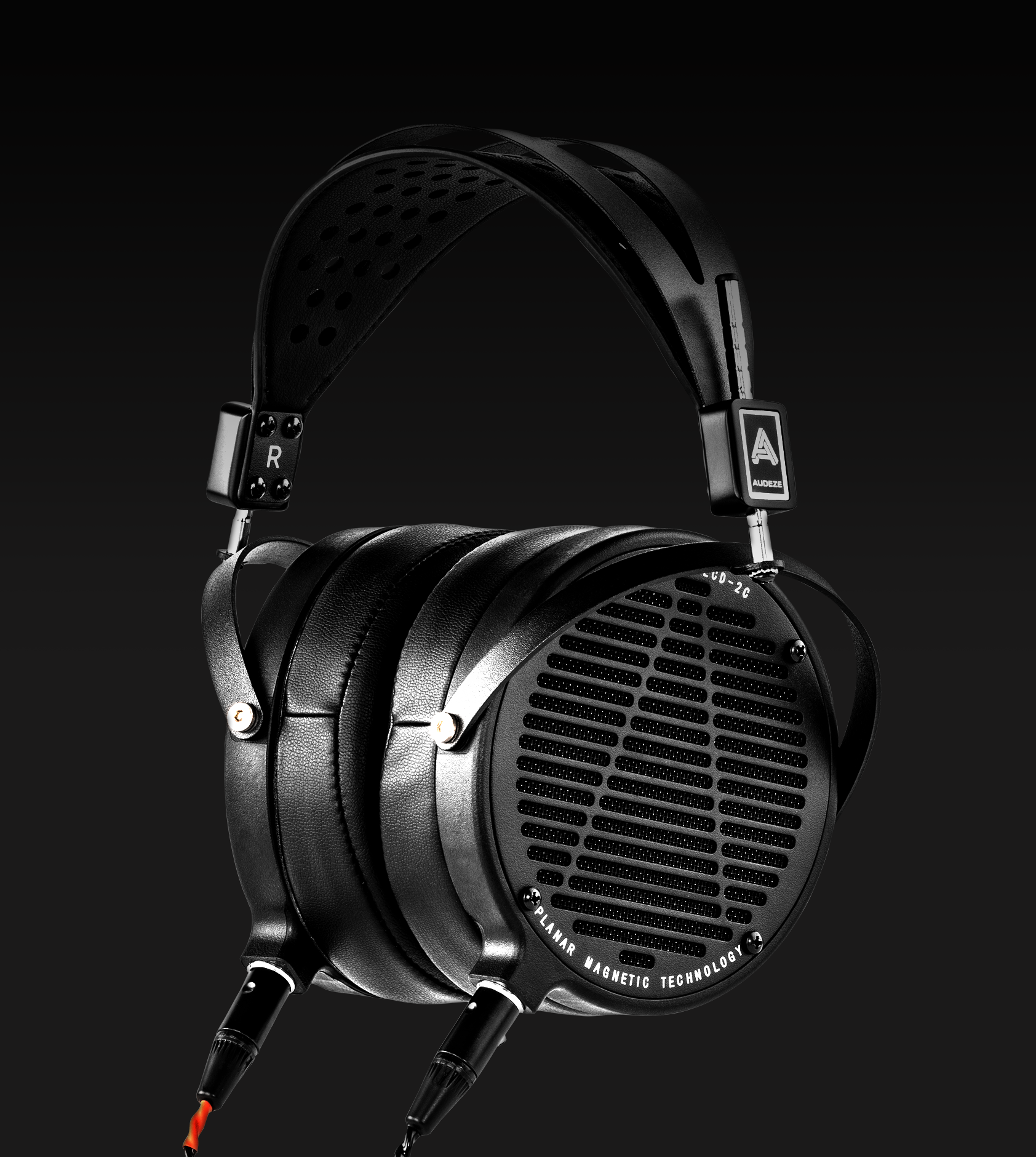


Think of sound waves like a series of ripples in a pond. If you drop a single pebble into a flat surface of water, it produces a series of waves, radiating outward in a circle. Drop two pebbles in two different locations, and the ripples will both try to radiate in a circle, but when one wave crashes against another, it distorts that wave, causing it to change shape, speed, and direction. This same phenomenon occurs in audio, and is appropriately known as “wave interference”. Wave interference, although a larger issue for speakers than for headphones, is still a major obstacle in high-performance headphone audio.
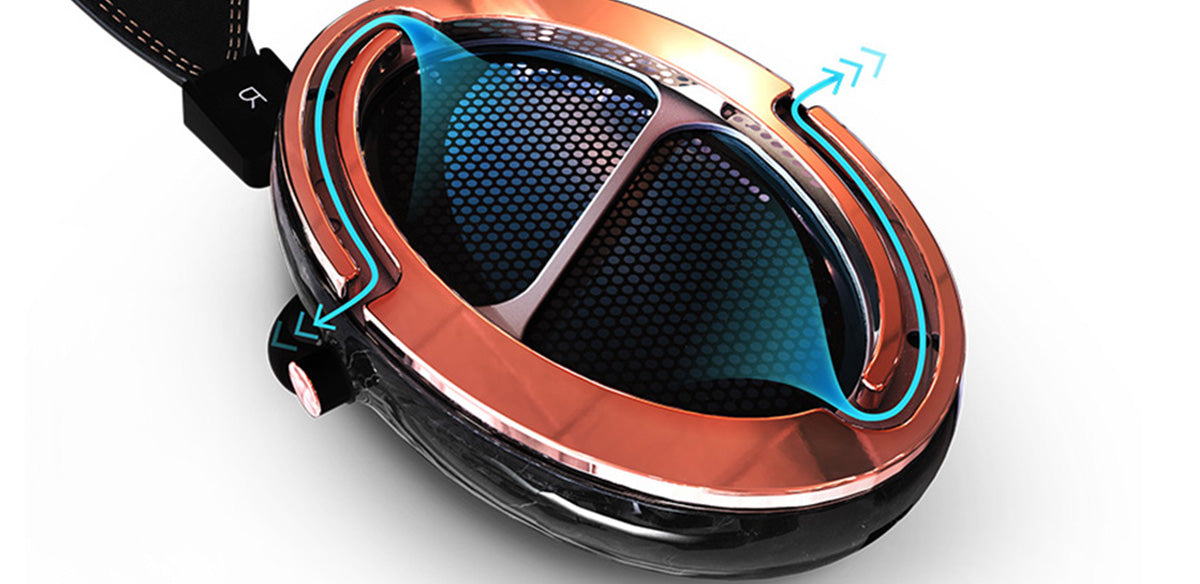
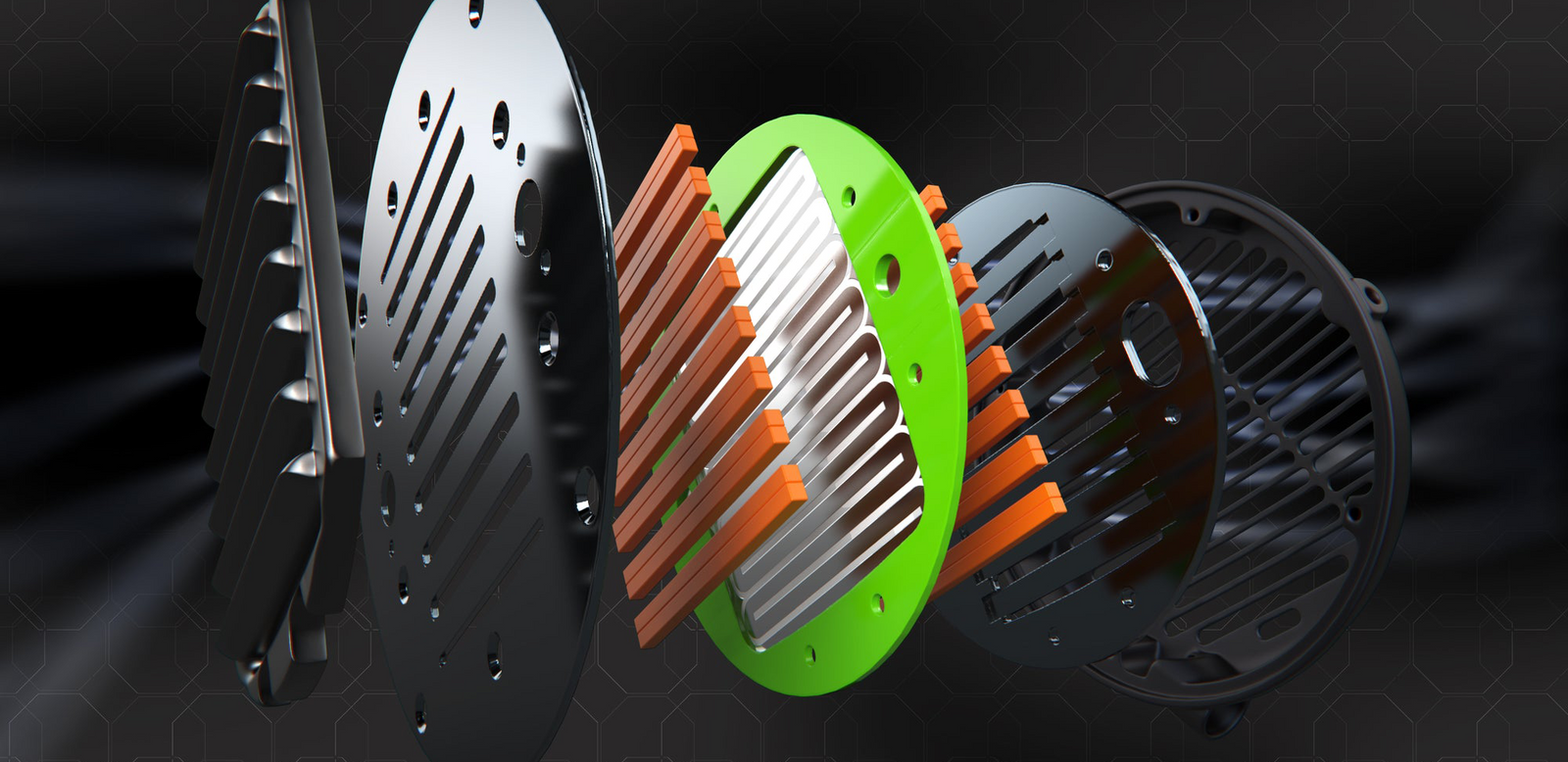
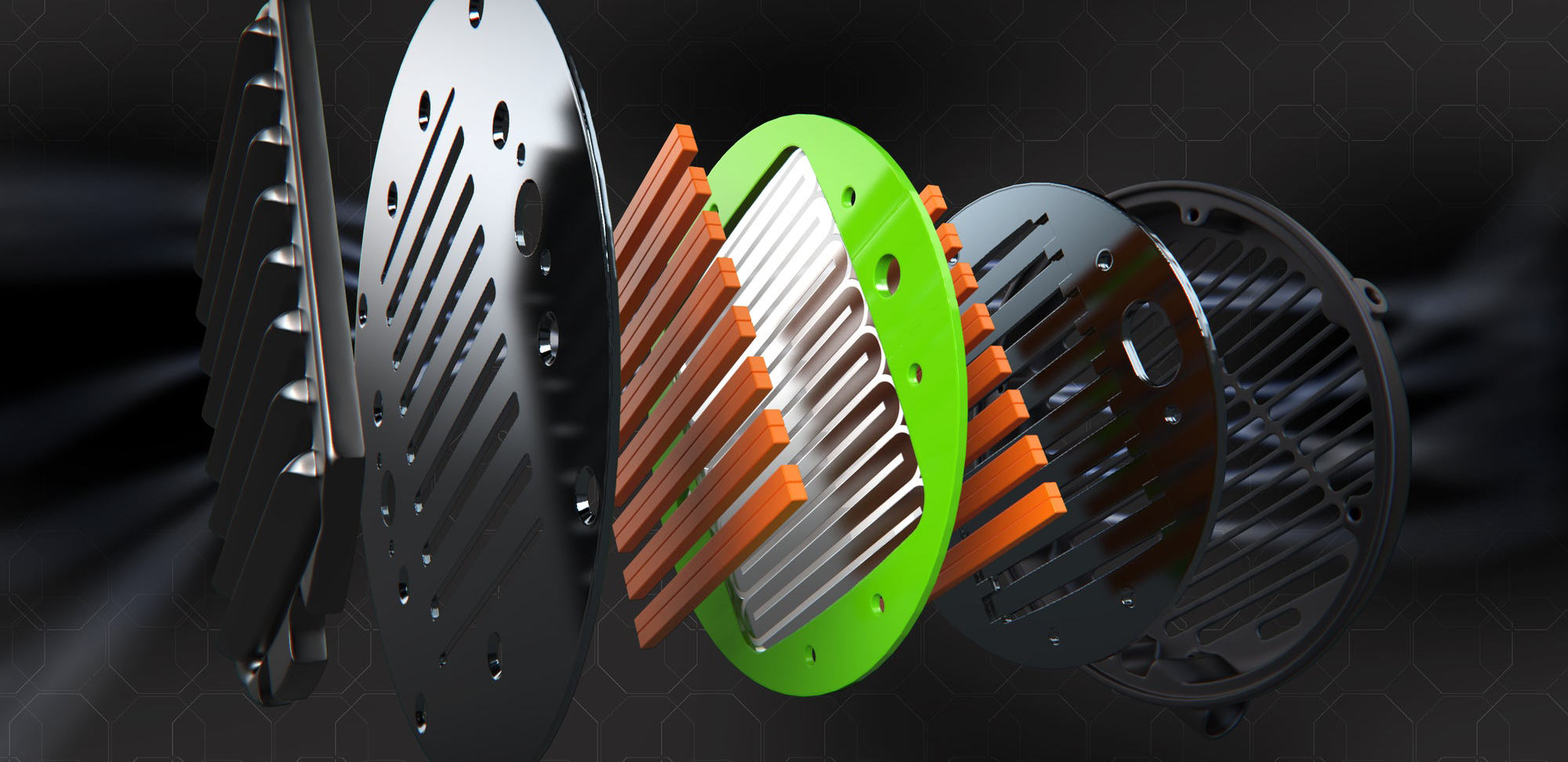
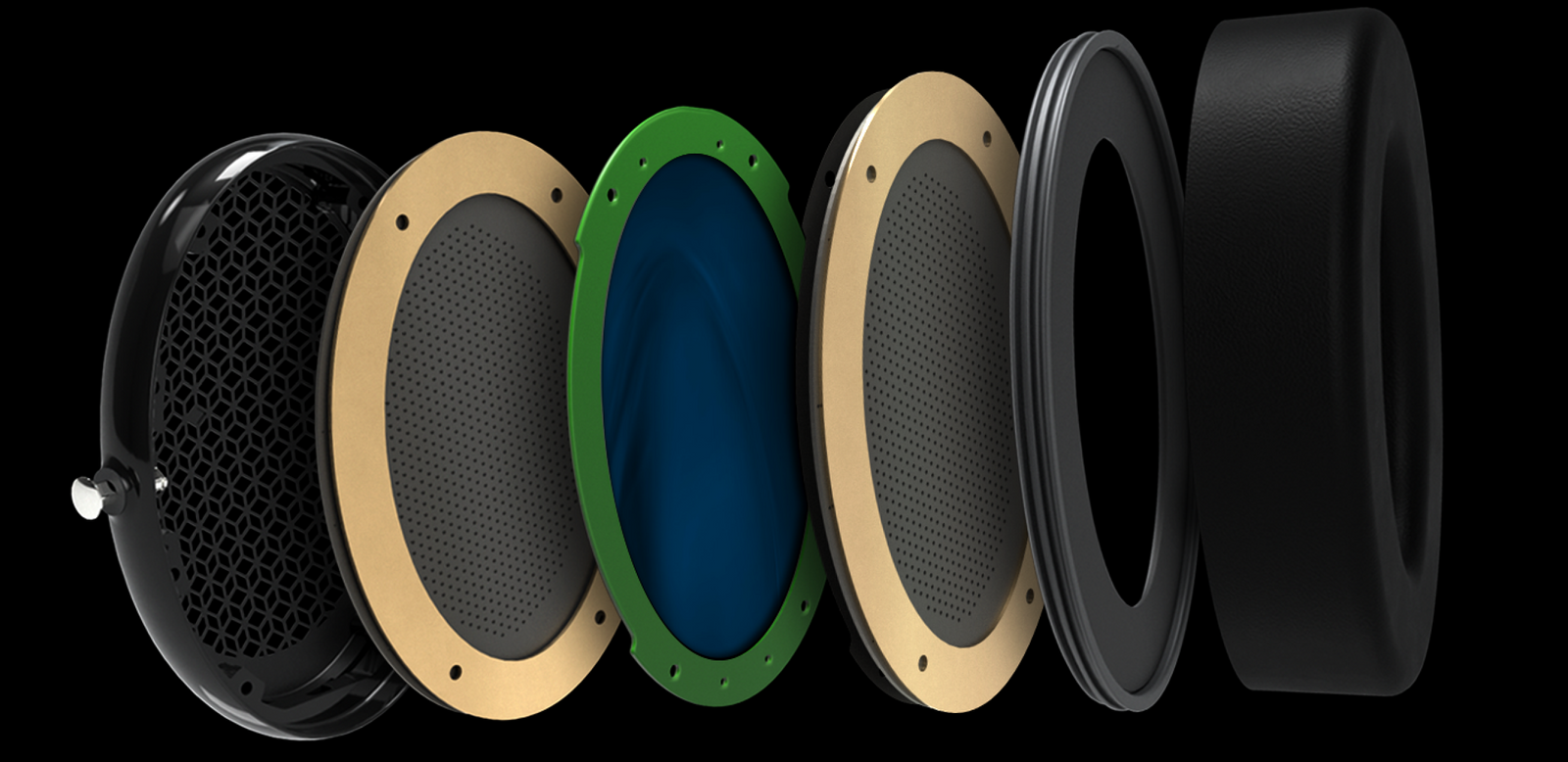
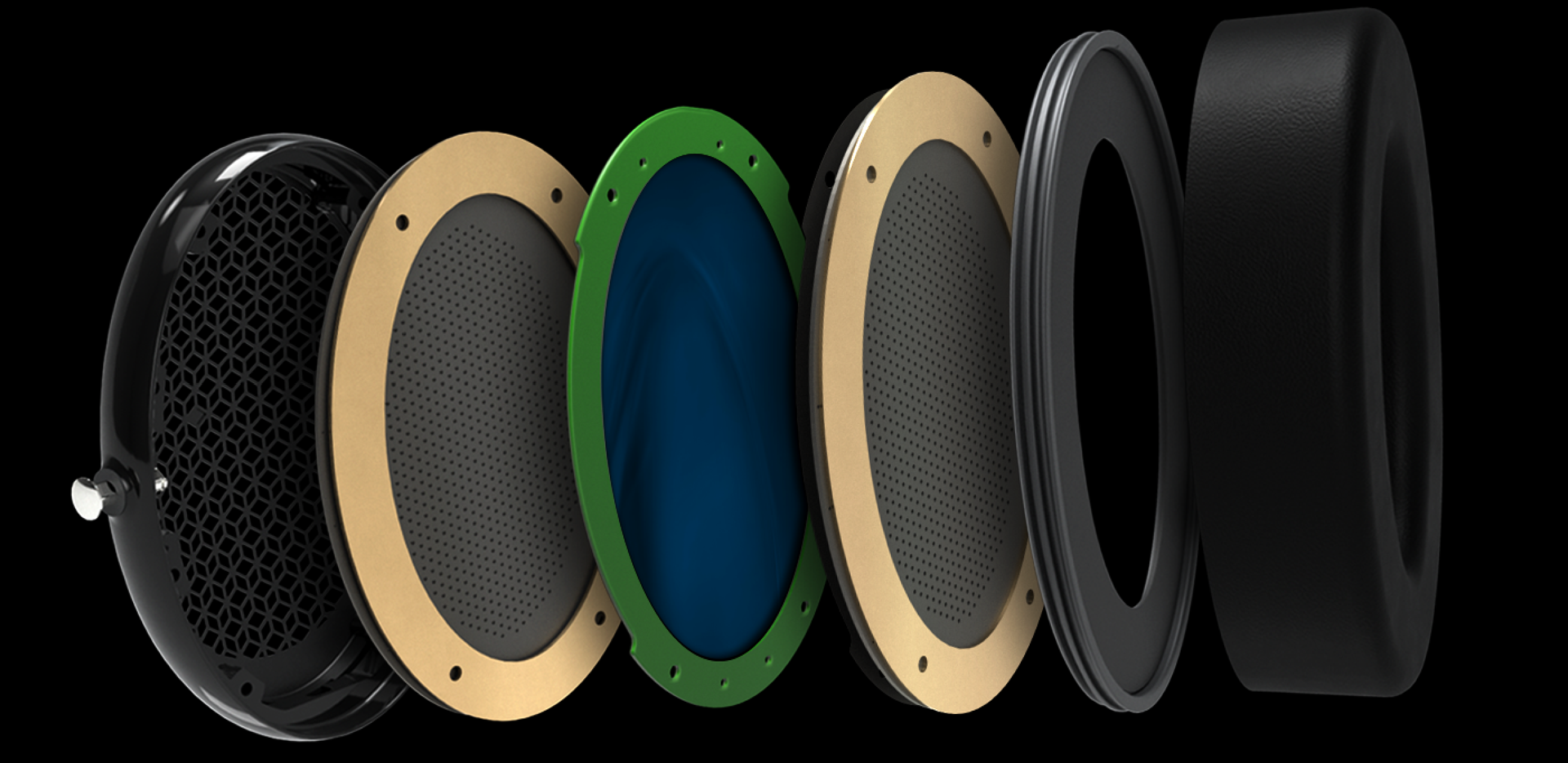
Audeze has developed a patented technology to combat this interference, which we call the “Fazor™”. Think of Fazors like guides for sound, maneuvering the sound waves out of the drivers in an even and smooth way without interfering with each other. Each Fazor element is placed just outside the magnets that drive the diaphragm, allowing the sound waves out in a more even and parallel direction, reducing interference and diffraction, or scattering of sound waves.
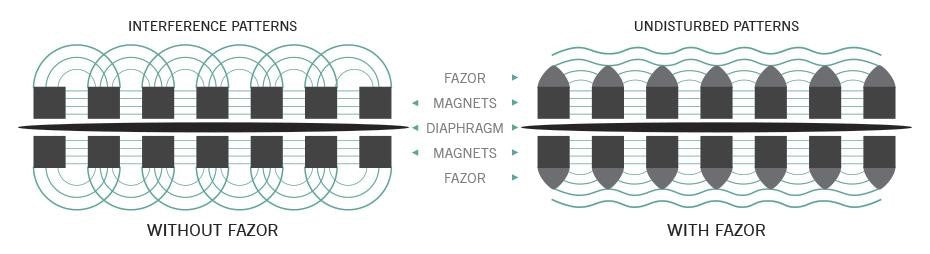
Why bother making the soundwaves smoother? By reducing the resistance to the natural flow of sound waves, Audeze’s Fazor arrays accomplish multiple goals while adding minimal weight and greater performance.
They not only align sound waves for improved midrange clarity, they also allow greater efficiency, and help keep our Fluxor magnets acoustically transparent. This is because they help sound waves pass through the magnet structures unhindered, causing less degradation and interference by the mass of the magnets themselves.
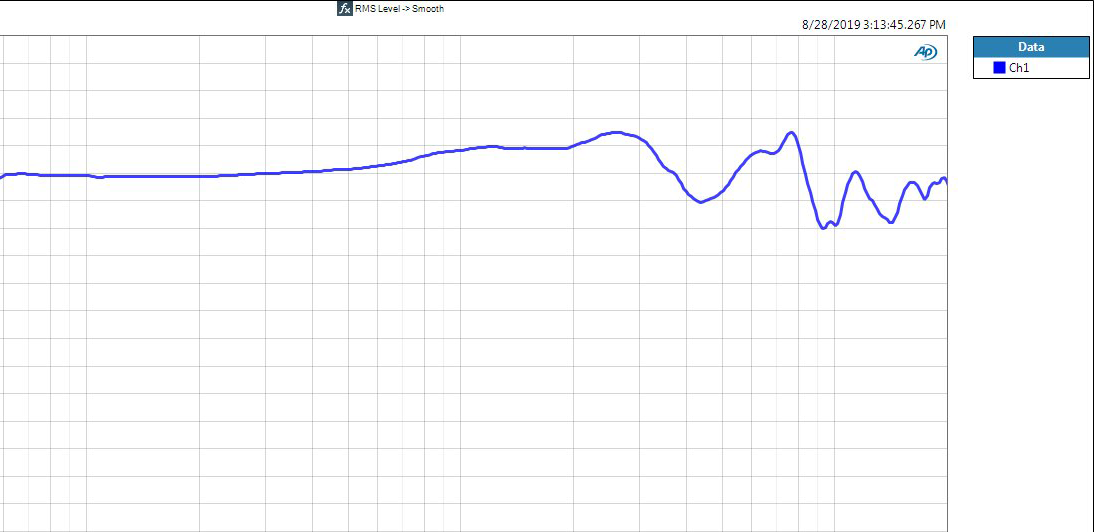
Diffraction of sound off the magnets can cause different frequencies to arrive at different times, which results in changes in phase (essentially the timing of the sound waves relative to each other). With Fazors, sound waves generated by our large planar magnetic diaphragms pass through magnetic structures without disturbance, preserving timing details in the recorded signal. This ultimately results in cleaner sound, greater resolution, and better imaging, as well as allowing the diaphragm to settle faster and with less “ringing.”